Featured
The Single Strategy To Use For Post-The 12 Most Common My...
The Best Strategy To Use For Does Bankruptcy Work for You...

What the Law Says Under State Law - Questions
Table of Contents
Image Are registered in the California Alternate Prices for Energy (CARE) or Family Members Electric Price Aid (FERA) program. Have made at the very least one on-time settlement in the past 24 months.
Customers that register in the AMP program are not qualified for time payment plan. Web Power Metering (NEM), Straight Accessibility (DA), and master metered clients are not presently qualified. For consumers intending on relocating within the next 60 days, please apply to AMP after you have actually developed solution at your brand-new move-in address.
The catch is that nonprofit Bank card Debt Mercy isn't for everybody. To qualify, you should not have actually made a settlement on your bank card account, or accounts, for 120-180 days. Additionally, not all creditors get involved, and it's just offered by a couple of nonprofit credit history therapy agencies. InCharge Financial obligation Solutions is one of them.
The Credit History Card Mercy Program is for people who are so far behind on debt card repayments that they are in significant economic problem, perhaps facing insolvency, and do not have the earnings to catch up."The program is particularly created to assist clients whose accounts have actually been charged off," Mostafa Imakhchachen, consumer treatment professional at InCharge Financial debt Solutions, said.
The Definitive Guide to Knowing Your Legal Options in I’m Not Behind on Payments Yet. Can I Still Enroll in a Debt Relief Program? : APFSC
Financial institutions who get involved have actually agreed with the nonprofit credit history therapy agency to accept 50%-60% of what is owed in taken care of monthly repayments over 36 months. The fixed settlements indicate you understand specifically how much you'll pay over the payment period. No passion is billed on the equilibriums throughout the reward period, so the settlements and amount owed do not change.
It does show you're taking an energetic function in decreasing your financial debt., your credit rating score was already taking a hit.
The counselor will certainly evaluate your finances with you to determine if the program is the right option. The review will certainly consist of a take a look at your regular monthly income and expenditures. The firm will pull a credit history report to recognize what you owe and the extent of your hardship. If the mercy program is the finest option, the counselor will send you a contract that information the strategy, consisting of the quantity of the regular monthly repayment.
When everybody concurs, you begin making monthly settlements on a 36-month plan. When it's over, the agreed-to amount is removed. There's no fine for repaying the equilibrium early, yet no extensions are enabled. If you miss a payment, the arrangement is nullified, and you need to exit the program. If you believe it's a great option for you, call a therapist at a nonprofit debt counseling agency like InCharge Financial obligation Solutions, that can address your concerns and aid you establish if you certify.
Facts About Support Available for Your I’m Not Behind on Payments Yet. Can I Still Enroll in a Debt Relief Program? : APFSC Journey Uncovered
Due to the fact that the program enables borrowers to resolve for much less than what they owe, the lenders that get involved want reassurance that those that capitalize on it would certainly not have the ability to pay the full quantity. Your charge card accounts likewise need to be from banks and charge card firms that have actually consented to get involved.
If you miss a settlement that's simply one missed out on payment the agreement is terminated. Your lender(s) will terminate the strategy and your equilibrium goes back to the original amount, minus what you've paid while in the program.
With the forgiveness program, the creditor can rather choose to keep your financial debt on guides and recoup 50%-60% of what they are owed. Nonprofit Credit Card Debt Forgiveness and for-profit debt negotiation are similar in that they both give a way to work out credit history card financial obligation by paying much less than what is owed.
8 Simple Techniques For How I’m Not Behind on Payments Yet. Can I Still Enroll in a Debt Relief Program? : APFSC Matters
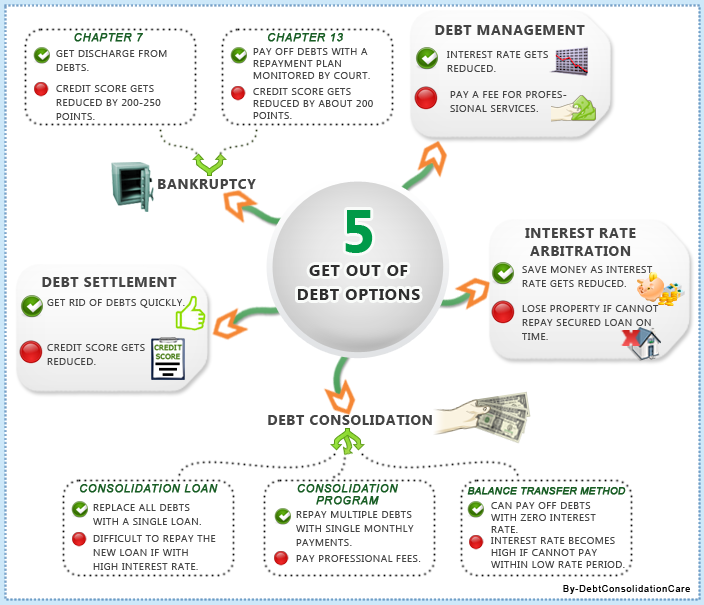
Bank card forgiveness is developed to set you back the customer less, repay the financial debt quicker, and have fewer downsides than its for-profit equivalent. Some key areas of difference between Credit history Card Financial obligation Mercy and for-profit debt settlement are: Charge card Financial obligation Forgiveness programs have relationships with lenders that have actually consented to get involved.
Once they do, the payoff duration begins immediately. For-profit debt negotiation programs negotiate with each financial institution, typically over a 2-3-year duration, while rate of interest, fees and calls from financial debt collectors proceed. This indicates a larger hit on your debt record and credit history, and an enhancing balance up until negotiation is completed.

Bank Card Financial debt Mercy clients make 36 equal month-to-month repayments to remove their financial obligation. The payments go to the creditors up until the agreed-to equilibrium is removed. No rate of interest is billed during that duration. For-profit financial debt settlement customers pay into an escrow account over an arrangement duration towards a swelling amount that will certainly be paid to lenders.

Table of Contents
Latest Posts
The Single Strategy To Use For Post-The 12 Most Common Myths About Debt Relief—Busted by Real Counselors : APFSC Services and Aftercare Services

Understanding Bankruptcy Types Before You Decide for Dummies

The Definitive Guide for "Best Repayment and Forgiveness Programs for Medical Professionals Is Shameful" and More Falsehoods
More
Latest Posts
Understanding Bankruptcy Types Before You Decide for Dummies
The Definitive Guide for "Best Repayment and Forgiveness Programs for Medical Professionals Is Shameful" and More Falsehoods